When HBO’s The White Lotus first aired in 2021, it was pitched as a satirical comedy-drama about wealth, privilege, and power dynamics at a luxury resort. But while viewers tuned in for the biting dialogue and dark humour, they stayed entranced by something else: the exotic backdrops. The ocean views, infinity pools, baroque villas, and sunlit piazzas weren’t just settings for the drama: they became central to the story, sparking global interest in screen tourism as fans sought to experience the same opulence and escape in real life.
The ripple effects of these iconic filming locations and the screen tourism that followed have been staggering. Resorts featured in the show have reported spikes in bookings, towns once overlooked by tourists are now trending on TikTok, and entire destinations have been rebranded as must-see luxury escapes. This is what many now call the White Lotus Effect — the powerful sway that cinematic travel storytelling has on real-world tourism.

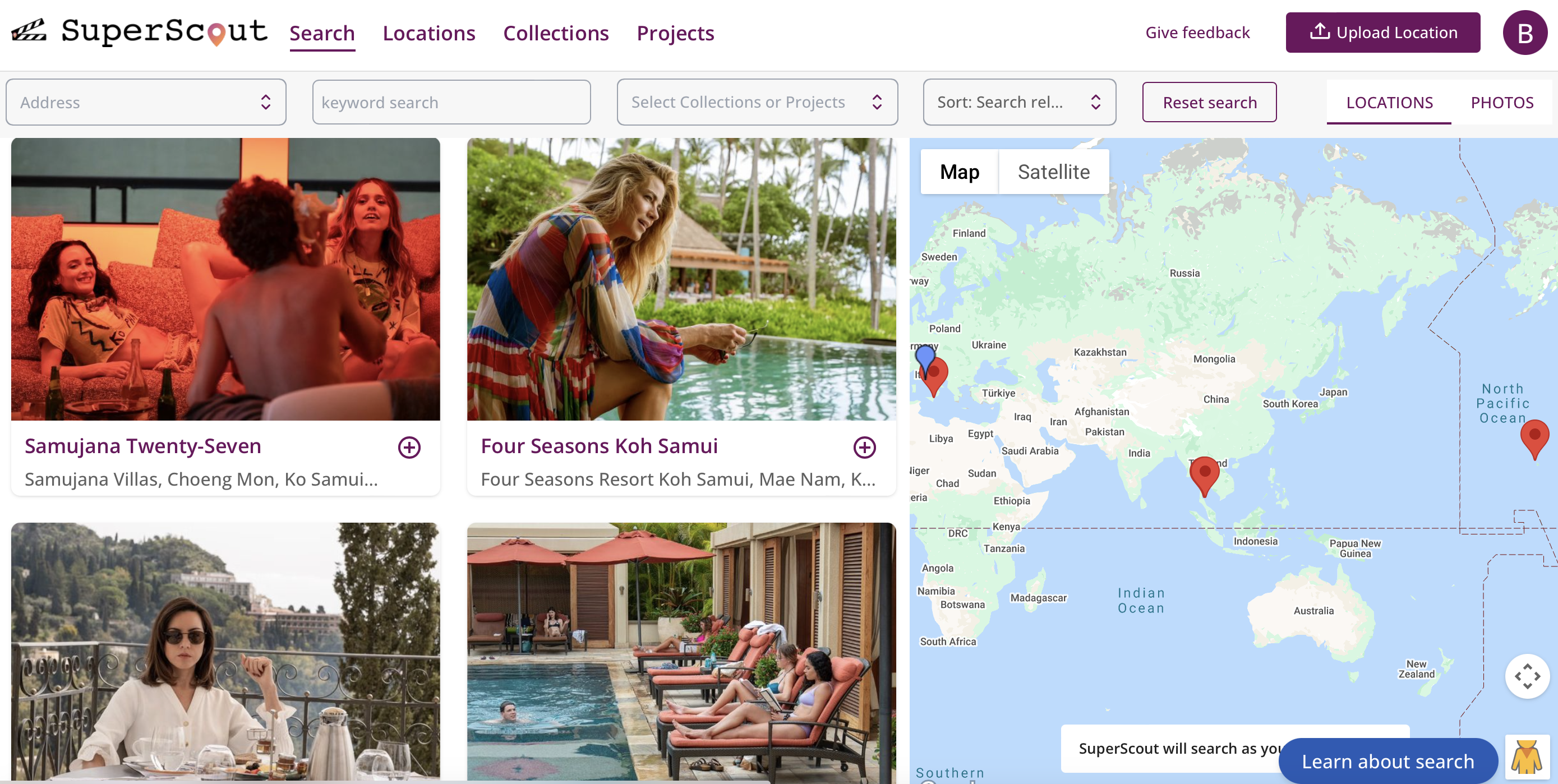
SuperScout Showcase & Movie Map
We've recently launched a highly requested new feature using our film location management software, giving you the ability to share and show off your amazing filming locations across the internet, with a website branded to you (no coding necessary)!
Your personally branded website, powered by SuperScout, will you enable to create three pages:
- Home page (where you can welcome people to your site and tell them a little bit about you)
- Search page (where you can publish any location you have in your SuperScout account, for people to find on the internet)
- Location overview (a detail page where you can tell the world about each location: how to enquire, roughly where it is, any other information you want to share)
From Manchester to New York, your locations can now be discovered by filmmakers, location scouts, and production teams around the world.
And if you upgrade in the next 3 months (before the end of 2025), we're offering a 50% discount on your plan. Simply shoot us an email and we'll let you know how to take advantage of this offer.
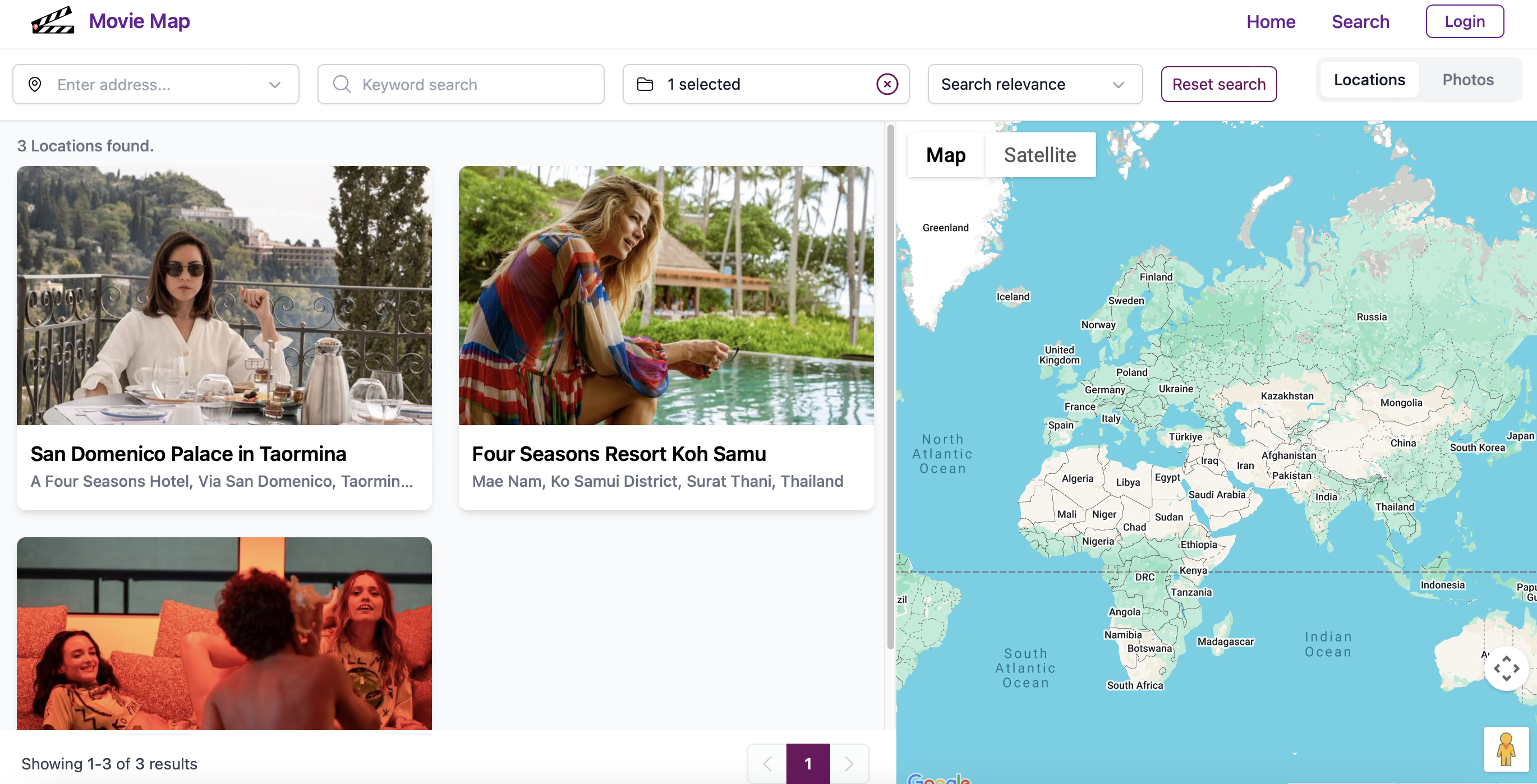
Making use of this exciting new feature, we've also launched our very own SuperScout Movie Map site! See the locations of your favourite films mapped out across the globe, and click on them to learn more about the the real-world backdrops that bring them to life.
From Bridgerton to Harry Potter, scope out the locations from cinema's greatest creations and uncover the settings behind the silver screen.
Want to showcase your locations?
SuperScout Showcase lets you share your amazing locations across the internet, with a personally branded website that lets you build and show off your collections!
The rise of screen tourism
Of course, screen tourism isn't a new concept. Sometimes called film tourism, set-jetting, or location-vacation, this concept describes the phenomenon where audiences travel specifically to visit places featured in movies or television, often seeking to step directly into the worlds they’ve seen on screen.
There's nothing quite like a cinematic lens to transform a location from a dot on the map into a global destination, inspiring travelers to step directly into the worlds they’ve seen on screen:
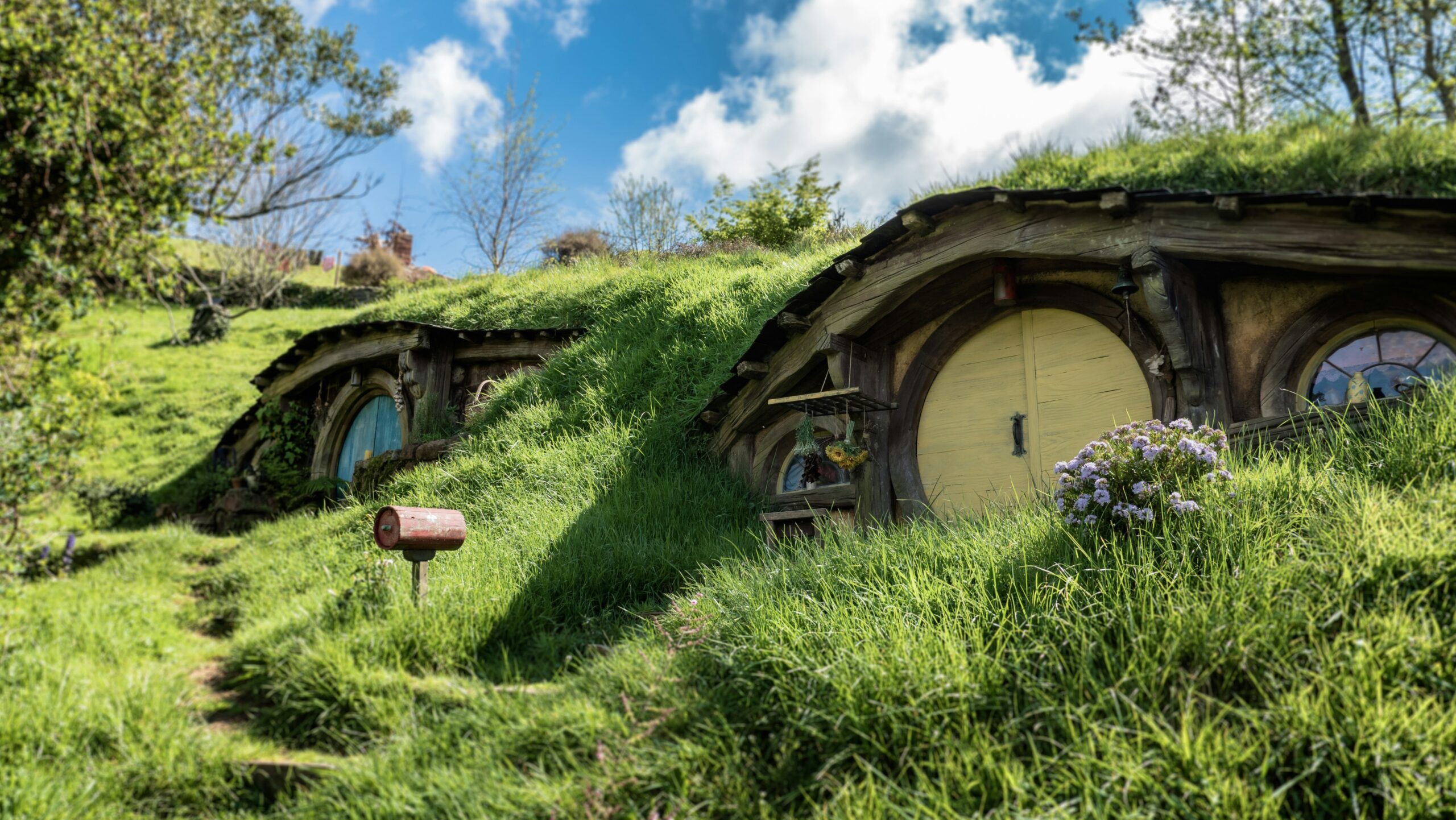
- The Lord of the Rings phenomenon and "Tolkien Tourism" is credited with boosting New Zealand’s annual tourist numbers by 40%, from 1.7 million in 2000 to 2.4 million in 2006. The Hobbiton Movie Set in Matamata brings in tens of millions of dollars each year alone.
- In 2018, Game of Thrones played a part in attracting one in every six out-of-state visitors to Northern Ireland, accounting for 350,000 visitors and over £50 million for the local economy.
- La Boulangerie Moderne, a 19th-century bakery on Rue des Fossés Saint-Jacques where Emily first tries a pain au chocolat in Emily in Paris, said that up to 40% of its customers were drawn by the series.
- The Beach saw a massive tourism influx that led to environmental degradation, causing Maya Bay in Koh Phi Phi to be closed indefinitely in 2018 to recover (it has since reopened, but still closes for two months a year).
- Tourist numbers in Forks, Washington grew from just over 5,000 in 2004 to almost 73,000 by 2010, fueled by the height of Twilight mania.
But The White Lotus is unique in its immediacy. It showcases real, bookable resorts — making the jump from screen to suitcase almost seamless.
A survey ran by travel experience marketplace GetYourGuide revealed that 75% of fans admitted that “The White Lotus” had influenced their travel more than any other show, and that 31% had already visited Hawaii, Italy, or Thailand because of it, with 68% planning to visit the show's filming locations in the future. A whopping 93% said they would consider booking a “White Lotus”-themed experience or tour.
Season 1: Hawaii’s Luxury Recast
The first season planted itself firmly at the Four Seasons Resort Maui at Wailea, transforming it overnight from a well-known property into an icon of pandemic-era escapism. Despite the show’s satirical lens on wealth and entitlement, the visuals were pure paradise. Demand surged. The resort even leaned into the hype, offering packages that promised guests a chance to “live their own White Lotus experience” — minus, hopefully, the scandals and body bags.

For Hawaii, the season reignited conversations about the tension between high-end tourism and local sustainability. While the show skewered privilege, its side effect was a renewed appetite for exclusive island retreats.
Season 2: Sicily’s Spotlight
If Hawaii was an escape, Sicily was a revelation. The San Domenico Palace in Taormina, a Four Seasons property perched on a cliff with sweeping views of Mount Etna, became the beating heart of Season 2. Within weeks of airing, travel sites reported triple-digit increases in searches for Taormina.

It wasn’t just the hotel that benefitted. Audiences fell in love with baroque Noto, seaside Cefalù, and Palermo’s aristocratic villas. Local tourism boards quickly capitalised, offering White Lotus-themed tours. The irony was delicious: a show about the grotesque excesses of the wealthy ended up making Sicily the latest playground for global luxury travelers.
Season 3: Thailand Awaits
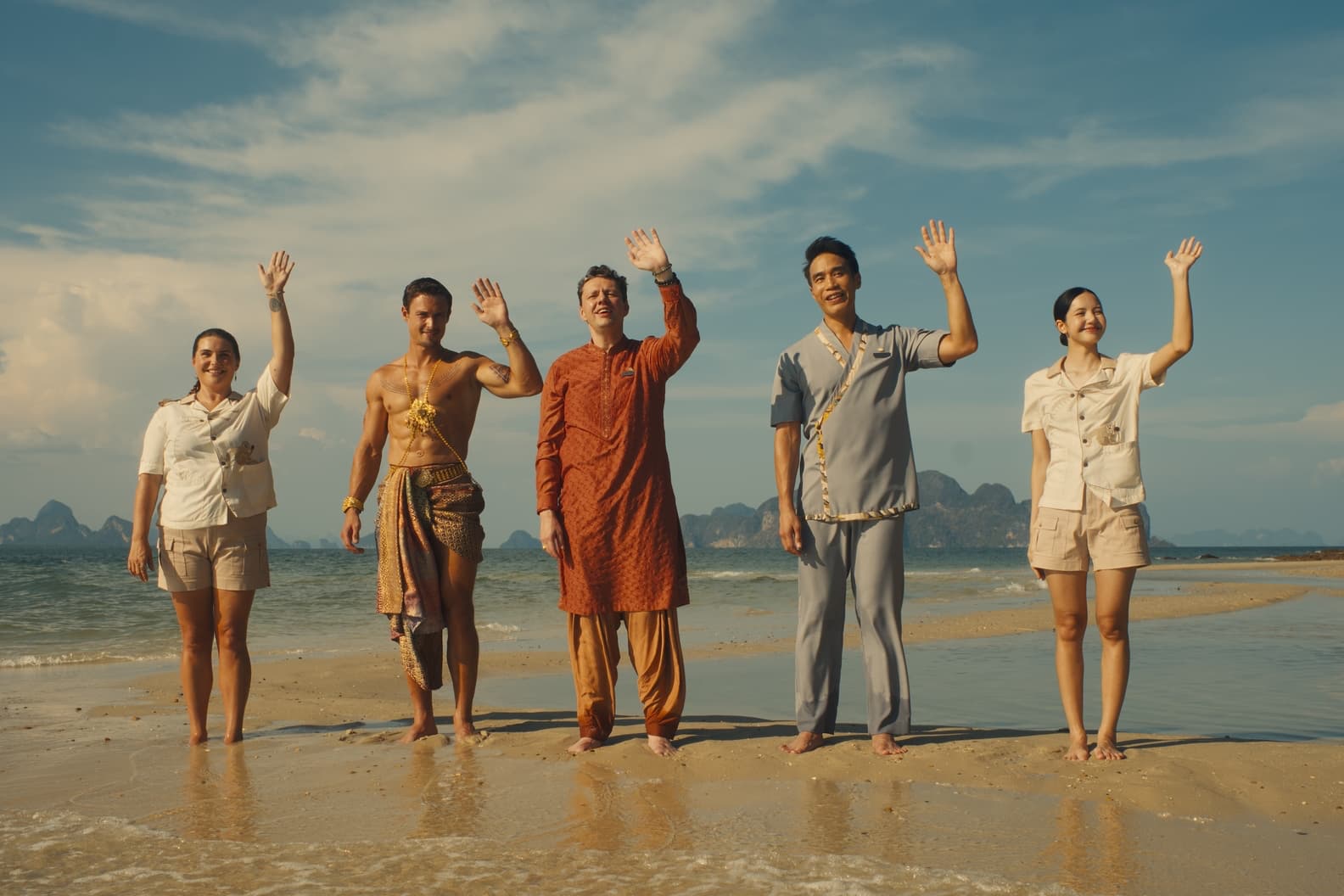
Season 3 transports viewers to Thailand, with filming split across Bangkok, Phuket, and Koh Samui. The central resort is the Four Seasons Koh Samui, a postcard-perfect property framed by jungle and turquoise sea. The finale even featured Samujana Twenty-Seven, a villa now bookable on for over $2,000 a night.

Thailand’s tourist economy is already massive, but the White Lotus Effect may push more travelers toward high-end island stays, shifting the balance from backpacker haunts to secluded, luxury retreats.
Why it works
The success of the White Lotus Effect rests on several forces:
- Aspirational escapism: Despite the satire, viewers imagine themselves sipping cocktails by the infinity pool.
- Cinematic marketing: Sweeping drone shots and decadent interiors double as travel advertisements.
- Social media amplification: TikTok is full of travelers recreating scenes at the San Domenico Palace or Maui’s Wailea Beach.
- Destination branding: Hotels and tourism boards have eagerly packaged the connection, selling The White Lotus fantasy back to fans.
The irony of paradise
What makes the phenomenon so fascinating is its irony. The White Lotus critiques the very culture it fuels: wealthy travelers parachuting into destinations with little regard for local realities. The surge in interest raises questions about sustainability, over-tourism, and who actually benefits from these sudden booms.
Sicily, for example, has seen both an influx of investment and rising concerns about affordability for locals. Hawaii has long grappled with balancing tourist dollars against the preservation of land and culture. Thailand may soon face the same dilemmas.
But done well, screen tourism offers local communities (as well as venue and accomodation owners) the opportunity to cash in on sustainable sources of income, and the chance to showcase their heritage on a global stage.
That's a wrap!
The White Lotus Effect underscores the entwined relationship between pop culture and travel. In an era where TV doubles as lifestyle marketing, filming locations have become as influential as advertising campaigns. For destinations, the opportunity is undeniable, but so are the risks. Screen tourism can boost economies and global visibility overnight, yet without careful planning, it risks creating dependence on fleeting trends, straining infrastructure, and eroding the authenticity that drew visitors in the first place.
Explore filming locations from around the world.
Browse thousands of real locations — curated by location scouts and film offices, searchable and free to explore.